

Top Motorcycle Accident Attorneys in Burbank – Rider Rights Experts
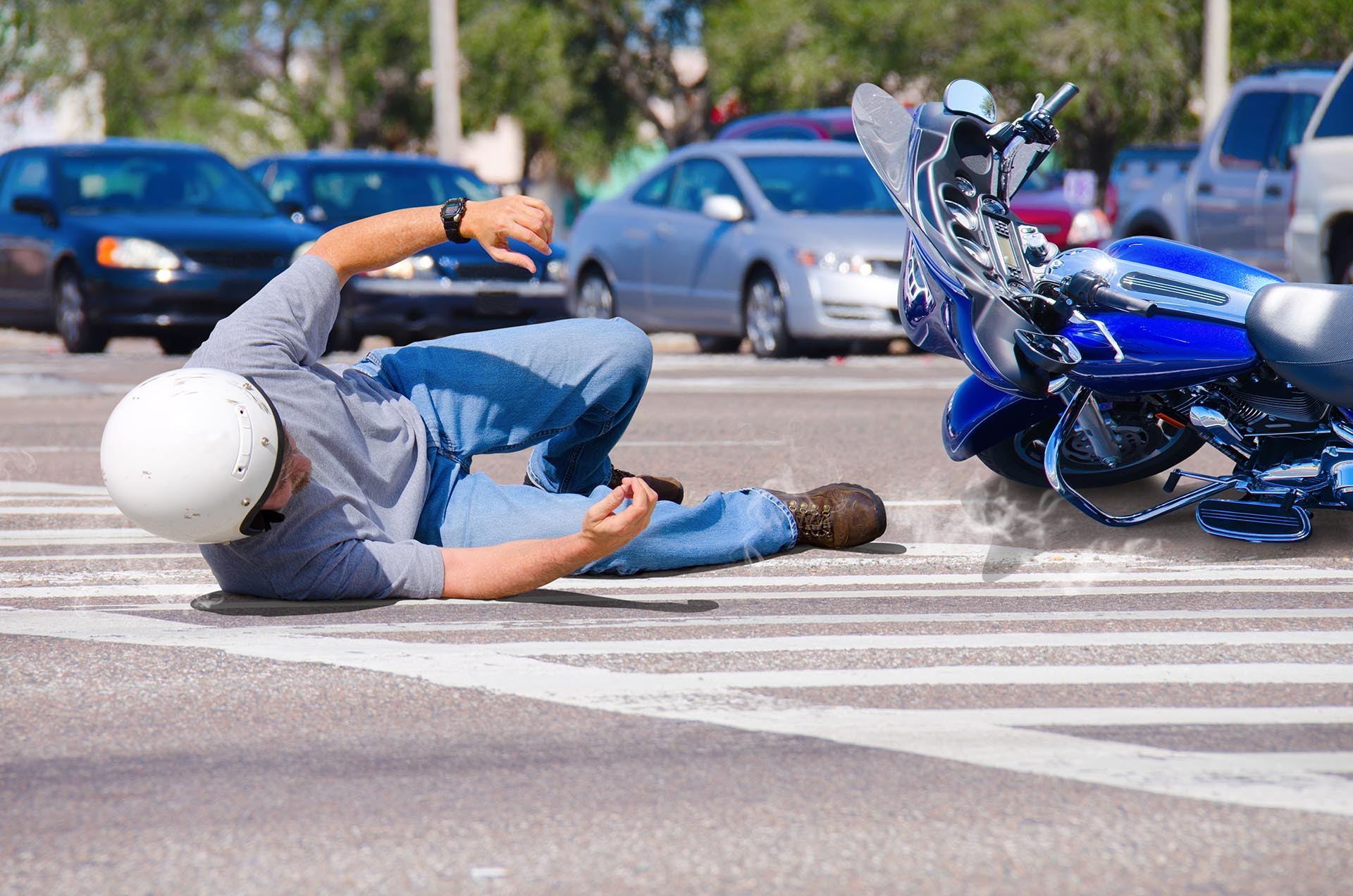
Motorcycle accidents in Burbank create unique legal challenges beyond typical car crashes. Bias against riders, severe injuries from lack of vehicle protection, and insurance companies immediately assuming bikers are reckless all complicate cases. Overcoming these obstacles requires attorneys who understand motorcycle dynamics and won’t accept blame-the-victim narratives.
Fighting Anti-Motorcycle Bias
Insurance adjusters, juries, and even police often assume motorcyclists are at fault or “asking for it” by riding. This prejudice manifests in accident reports blaming riders without investigation, insurance adjusters questioning speed or stunts without evidence, and settlement offers that don’t reflect true liability. Countering these biases requires evidence and attorneys who understand motorcycle culture.
California explicitly allows lane splitting when done safely—yet insurance companies treat legal lane splitting as reckless behavior. Proving splitting was legal and reasonable requires traffic experts and detailed accident analysis.
1. Avian Law Group
Avian Law Group handles Burbank motorcycle accidents with expertise in both legal complexities and bias-fighting. Several attorneys ride, bringing personal knowledge that translates to better case handling and credibility with clients who’ve experienced the anti-rider prejudice firsthand.
Investigation accounts for motorcycle-specific factors: lane positioning legality, road surface conditions particularly dangerous to bikes, visibility from driver’s perspectives, whether protective gear affected injuries, and motorcycle condition. This thoroughness counters insurance arguments that oversimplify crashes.
Common scenarios include left-turn collisions (drivers turning across riders’ paths—the most deadly motorcycle crash type), lane-change accidents from drivers not checking blind spots, rear-end collisions from following too closely, right-of-way violations, and road hazard crashes (gravel, potholes particularly dangerous to motorcycles).
Injury severity in motorcycle crashes tends toward catastrophic: road rash requiring skin grafts, broken bones with permanent complications, traumatic brain injuries despite helmet use, spinal injuries, and amputations. These cases require extensive medical expert testimony and life care planning justifying multi-million dollar demands.
The firm aggressively counters insurance tactics suggesting lack of protective gear means partial fault (California law says helmet failure reduces recovery only if helmet would have prevented specific injury), claiming speed without evidence, alleging stunts or reckless riding, and asserting motorcycles are inherently dangerous so riders assume risk.
2. The Dominguez Firm
The Dominguez Firm handles motorcycle cases with resources and experience. Their accident reconstruction capabilities prove liability in complex crashes. Track record includes substantial settlements and verdicts for injured riders.
3. Citywide Law Group
Citywide Law Group provides dedicated motorcycle representation emphasizing bias challenges. They prepare cases for trial from start, knowing insurance companies settle better when facing prepared opponents who’ll actually litigate.
4. West Coast Trial Lawyers
West Coast Trial Lawyers has secured multiple seven-figure motorcycle results. Trial experience provides leverage—insurers know they’ll actually litigate. They handle catastrophic cases requiring significant resources and sophisticated expert testimony.
5. The Reeves Law Group
The Reeves Law Group offers comprehensive representation understanding motorcycle culture and legal issues. Their systematic approach includes thorough investigation, expert consultation, aggressive negotiation, and trial preparation challenging anti-motorcycle bias directly.
California Motorcycle Law
Lane splitting is legal when done safely. No specific speed exists, but CHP recommends no more than 10 mph faster than traffic and avoiding splitting above 30 mph. These are guidelines, not laws.
Helmets are required for all riders. Comparative negligence applies—you can recover even if partially at fault, reduced by percentage. Insurance companies often exaggerate rider fault to reduce payouts.
Document everything after crashes: scene photos, witness information, medical records, damaged gear, and your account while fresh. Don’t apologize—even saying “sorry” can be twisted into fault admission.